Background
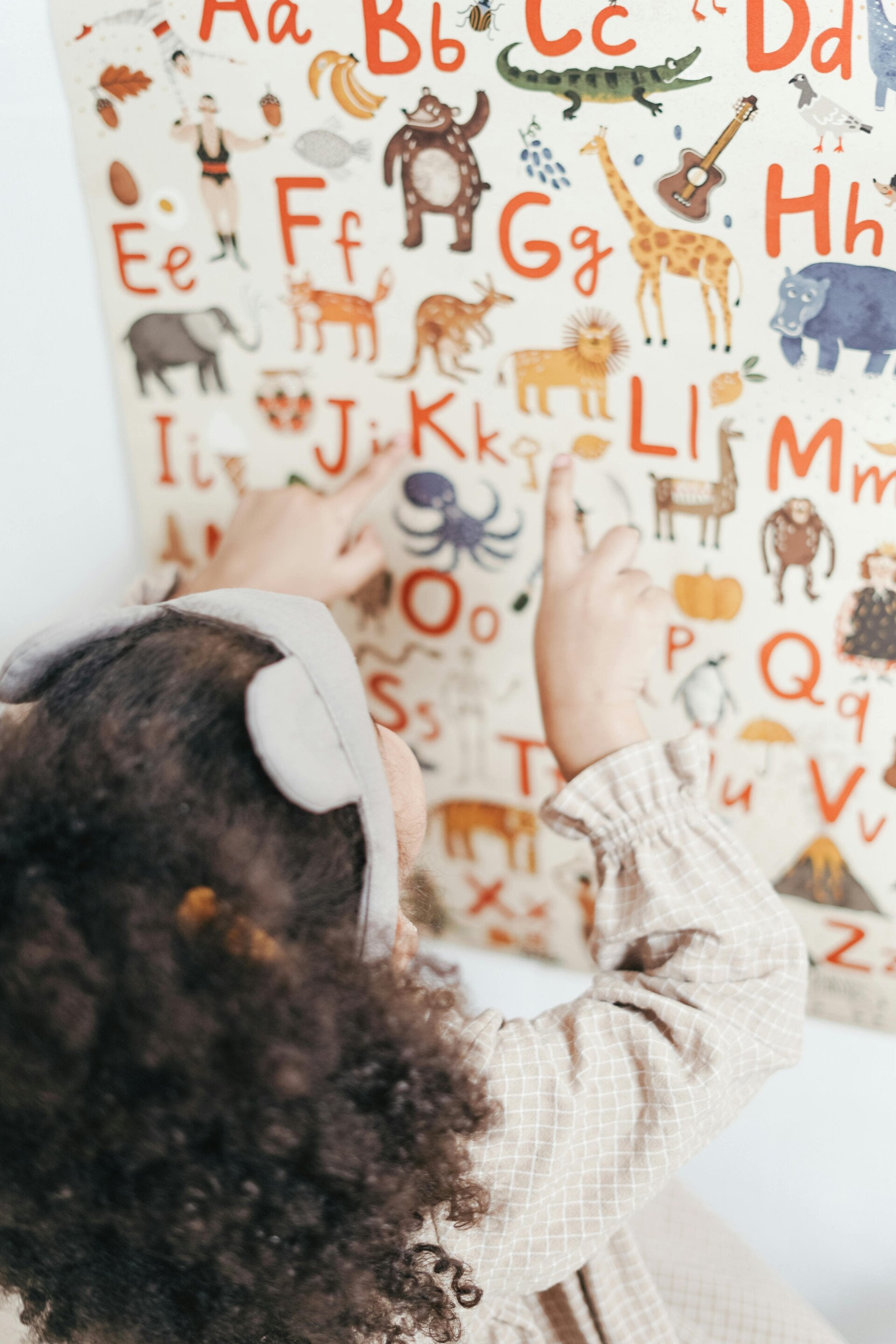
- By the time we start this lesson, we will have reviewed our ABCs for several weeks. Even if students struggle with identifying them in text, they should be able to name most of them when prompted with an image (ex.flashcards)
- Academic Language
- Identify-to spot or point out
- Text-a book
- Tally up-count
- PLEASE NOTE: While counting will be an aspect of this lesson, it is not the main objective. The key focus of this lesson is for students to able to identify familiar letters within a text. Whether or not a student needs help counting to five will not be marked on this evaluation!
- If the result of the activity is mostly positive, teachers are encouraged to assign students with a group of letters to search if they had not chosen to do so previously
- BOOKS PROVIDED MUST BE CULTURALLY DIVERSE!
Means of Representation
Means of Engagement:
- Personalization - Students will be allowed to choose the library text they want to work with. They can also choose the library text they want to work with. They can also have the option to change their text if they're struggling with the one they've chosen.
- Active Learning - Students will only need a paper to keep track of the number of letters they find. Their main learning tools are the books they choose and their own identifying skills.
Means of Representation:
- Alternate Formats of Content- If the teacher wishes to remove pencil-work completely, have their letter(s) given in laminated print. Every time the letter(s) is found, have them place a plastic marker (like a manipulative for example) over the lamination, giving them a different way to keep track of their tally.
- Information Organization- If a student finds it difficult to find multiple letters in the text, break it down to one or two letters. Keep in mind that some letters are more difficult to find than others. If a student is struggling, don't assign them the more difficult letters like X or Z.
Means of Expression:
- Oral and Performance-Based Expression- Students only need paper to keep track of the number of letters they find in their text. However, when sharing the results with the class, they're expected to share verbally.
- Flexible Response Options - If students cannot give their answers verbally, they can turn in the written tallies they've done on their paper. If the teacher has allowed students to keep tally of their letters with physical manipulatives, students are allowed to use it to help present their work.
Lesson Timeline
- Students will be taken to the library, where they will have access to books they don’t see on a daily basis. The new reading material will make the activity more exciting. Students will then watch at least one pre-chosen video showcasing a letter and how to find it in a written word. (3 minutes)
- Each student will be given either
- A small set of letters (those who have previously excelled at identifying letters)
- One specific letter (those who have previously struggled at identifying letters)
- Each student chooses a book to work with (books in collection must be diverse in culture and acceptable to their reading level grade). They must be reminded on how to be gentle with a book to avoid damaging it. (2 minutes)
- Students must find five uppercase and five lowercase of the letter(s) given to them. Once they do, they will make a mark on their paper to help keep track. They should have at least ten marks by the end of the activity (4 minutes)
- Key Question: Can students identify letters when seeing them blended with a word in a text?
- Higher Order Thinking Question: Can the student(s) find more than the required five amount for their letter? How many can they find throughout their book?
- The teacher will use a group discussion to ask the students if they found the assignment difficult or not. Inform them that some letters appear in text more often than others, setting up for a future lesson in vowels. Teachers can ask students to share how many times they found their letter in their chosen text. NOTE: keep this last part optional for the students, as some may feel embarrassed if they didn’t reach the standard amount or had a difficult time doing so (3 minutes)

Formative Assessments
- The teachers will monitor the class and see which students (or groups) take longer to reach the lesson’s objective.
- Teachers take note of the students who ask for extra help, as they may not yet be as confident in identifying the letter(s)
What Comes Next?

- Did not master objective: Go over the letters of their name with them. Try to help them learn those specific letters over the rest of the ABCs. Identifying the letters of their name could help get them more familiar with recognizing letters when used in a written text
- Mastered objective: Give them more difficult letters in the future, such as x, y, and z. Another possibility is to have them write out the words they find instead of making a tally mark.
Create Your Own Website With Webador